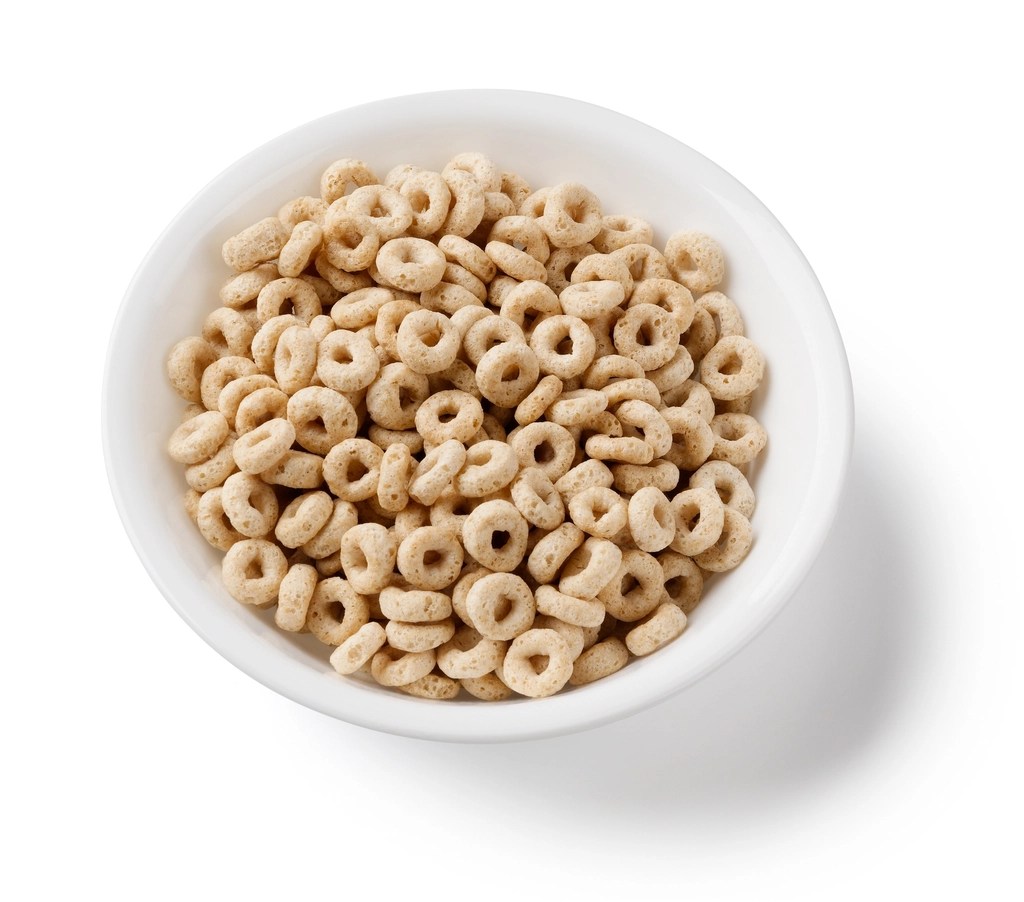
This is an area where my knowledge stated at 0, or maybe even less than than that. Although my mum was a food technologist, and I assume had explained such things, a great excitement of my late teens was being able to afford family blocks of Cadbury’s chocolate and pretty much as much McDonald as I could eat (handily, it’s 50% off when you’re on shift). If I’d thought about nutrition, which I can’t think that I did, it would have been a passing notion that junk food could make you fat. I wasn’t aware that health and nutrition encompass a lot more than just your weight.
Anyhow, as it happens I was 38 when I started thinking about WHAT I was eating in any sense deeper than calories in and calories out. A Tim Spector article in The Times focused on foods that help our microbiome twigged my husbands interests, and with that we had our first fridge cut out. After my interest was peaked I picked up a copy of Chris Van Tulleken’s “Ultra Processed People” which shocked me beyond belief, and from there I was resolute to improve the health of both myself and my family (and, if I’m honest, anyone that would listen to me…
Side bar- quick book review
Ultra Processed People by Chris van Tulleken– known as “the book” in UPF (Ultra Processed Food) circles, is a game changing and eye opening read. I’m a big fan of Chris from his work on Operation Ouch (another game changer if you’re 6), but this is a very easy read and really sets the groundwork for shifting the way we all eat. It really sets the scene about our current food environment, it’s shortcomings, and the industries that are profiting from it. However, it does stop short of telling you what you should actually do as the focus of the book is to encourage wider societal change. However, that really doesn’t take away from it as it has sparked curiosity amongst so many on this issue, and there’s now plenty of places to seek guidance on what you can actually do about our UPF filled society.
⭐️⭐️⭐️⭐️⭐️
What is UPF?
As this paragraph is at the start of every UPF piece of literature we’ll keep it short and sweet. Check out the NOVA guidelines (this is most user friendly summary I’ve found) but UPF is food that contains ingredients you wouldn’t normally find in your kitchen. Basically, if it contains things on the back of a packet you don’t understand, or haven’t used yourself, it’s UPF.
Here’s an example from a “healthy” breakfast cereal packet:
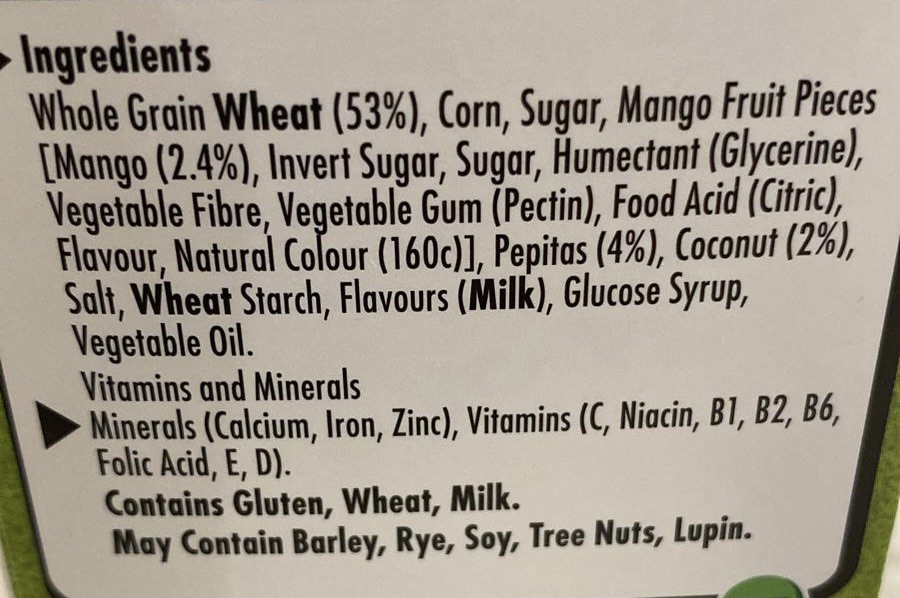
Unfortunately even “natural” flavourings make it UPF.
Some reasons UPF is not the bomb:
1. We don’t know the down-low on all these additives, we do know that they haven’t been around for long, are all man made and frankly look quite gross in their original form. To my mind, best avoided.
2. It’s really easy to overeat. Try it yourself. Have two store brought white bread pieces versus two pieces of homemade bread- are you equally satiated? Not only does the white bread not give you any nutritional value (although it does give calories) it doesn’t fill you up, so you may well have another two.
3. It takes up space where you could be having more whole foods. If you have McDonald’s for dinner (limited to no nutritional value) you’re not having a vegetable stir-fry (high nutritional value). So, I think there’s high opportunity cost to UPF.
4. There’s research to suggest that UPF’s are negatively impacting worldwide health and resulting in obesity and disease. The BMJ recently published a report from the largest review ever conducted into UPF studies that found that UPF was linked to 32 harmful effects on health, spanning mortality, cancer, and mental, respiratory, cardiovascular, gastrointestinal, and metabolic health outcomes. You can read a summary in the guardian or the full article here. As an even shorter summary, it’s pretty damn bad for you.
Sadly, here in the UK we get far too many calories from UPF, with adults getting around 56%, and children even more (Heart UK, 2024). With that in mind I have put together some food principles for myself and my husband. When we initially began this the focus was on weight loss, however now most of these have just evolved into the way we eat.
Our health plan
The purpose of the plan is to:
- Make sustainable food changes leading to increased health and reduced likelihood of disease
- Optional: focus on a calorie reduction for a 10 week period for a target weight loss of 5kg
Key tenants of the plan:
- All calories are not created equally. This plan will focus on the nutrition gained from the calories eaten. Each meal is an opportunity to add more nutrition to your body, not a problem in terms of the number of calories consumed
- Avoid UPF as much as possible, although we’re not aiming for 100% avoidance
- Don’t be hungry! Eat three meals per day and have reasonable snacks
- While we won’t count calories each meal we understand that for weight loss to occur a calorie deficit needs to occur. To lose 0.5kg a week the deficit needs to be 500 calories per day. The standard calorie requirement for a man is 2500 calories, and for a woman is 2000 calories
- As we aren’t counting calories that will mean using a common sense approach, every meal should be the healthier choice where possible, and for this intense 10 week period there should be very limited unhealthy treat
- Food in whole form is most nutritious, i.e. in order of nutritional value 1/ an apple 2/ pulp 3/ juice. When consumed as juice you are losing fibre and the whole food benefi
- If cravings take hold use the two step process. Step 1, eat a piece of fruit. Step 2, eat some yogurt if still craving, have the treat
- Avoid any products marketed as low sugar or low carbs, essentially any artificial sweeteners
- Aim to walk at least 10,000 steps every day and do three sessions of vigorous exercise a week
- Avoid alcohol if you can, but if this stops you getting started then drink normally (that’s what I did initially, then eventually gave up as it’s pretty damn bad for you)
- Don’t smoke, ever
What avoiding UPF looks like:
- The most habit changing UPF’s to avoid for me were:
- Avoiding most breakfast cereals* besides porridge, weetabix and homemade granola
- Avoiding fast-food
- Beware of store bought bread. Even something that seems healthy like Pret is actually packed with emulsifiers. An idea would be to shop in a bakery or bake your own.
- Avoid sweets and chocolates, most of them are ultra-processed
- Avoid biscuits
- Avoid processed meat
- Making your own stir fry sauces, easier than you think!
*I find this one quite emotive as it feels like the green-checks on the boxes hide the nasties in plain site. Personally, I prefer to KNOW something isn’t of high nutritional value and choose to eat it, e.g. McDonalds, than be marketed to in a way that makes you think something is good for you when it (should I write arguably here, probably so) isn’t.
But how:
The list above can be overwhelming, especially when your working, trying to gets kids to clubs and classes on time and all of the other things life throws your way. Sometimes you will just need to dive into the freezer for a ready meal, however I’ve listed some make your own game changers for me.
- Making your own bread. The ultimate game changer. I invested in a bread maker and it was SO worth it. A Scandi friend of mind also has this amazing bread recipe that doesn’t need a bread maker (recipe at bottom of post).
- Stir-fries are your friend, and your staple. When we first started this we lived on stir fries with our own sauces made with variations of soy sauce, vinegar and spices. Quick, easy and wholesome.
- Beans, beans, beans. Give Old El Passo a miss, use tinned beans (kidney, chickpea, black, the more varied the better), a can of chopped tomatoes and spices to taste. You can make your own tortillas, although in my experience it is a wee bit time consuming so I tend to opt for rice- suggestions for easy tortilla recipes welcome!
- Make your own hummus, literally takes less than 10 mins. I use this as a base recipe and jazz it up from there depending if I’m trying to get my 6 year old to eat it (add more oil than they suggest in any case).
- Make your own baked beans. Although I can get my daughter to eat kidney beans she’s not a huge fan. These beans she eats no problem at all. The recipe calls for quite a lot of ketchup, I subbed that for 3 extra tomato paste (to avoid UPF) and that worked absolutely fine. If you get the canned beans (available on Amazon) it’s 5 mins of effort followed by 20 mins of simmering.
- Baking and freezing for lunch boxes. Whilst my daughter doesn’t follow all of the principles of our health plan I am very keen she has less ultra-processed food. “Snack” for school was a tough one for us. In her eyes everyone else has Harribo and she has fruit (I’m sure that isn’t true- but it was an emotive issue for her). I started by baking “healthy treats” e.g. a whole wheat blueberry muffin, which was summarily rejected. Since then I’ve decided to pick my battles, so I count homemade banana bread and mini-pancakes as a win. I do sugar to taste as opposed to the amount in the recipe, pop in some ground flaxseed and we’re all happy.
- It is SUPER hard to stick to this when travelling unless you are the world’s most prepared person, so my advice would be to go with the flow on travel days, then pick up where you left off after.
The other way you can avoid it is label scouring at supermarkets, I’m really not a big fan of hitting the shops so that’s not one for me, but lots of Facebook groups exist to tell you good non-UPF brands.
Some targets we aim for:
30 different types of fruits, nuts, seeds, spices and veggies each week for gut health
I’d suggest for the first week you maintain a list to give you a sense of the changes you need to make to hit this target. In my experience the first 15 are very easy, then it gets tricky!
We like to follow Dr Gregor’s Daily Dozen, this can look overwhelming to meet as a step 1, but I like to think of it as more of a direction of travel. If you can only do a few things from this, have the ground flaxseed daily, make sure you get your cruciferous veg in, eat berries and eat LOTS of beans (not Heinz!).
Eat more fruit and veg! At least 9 serves a day
5 a day is what we commonly think of but the books suggest we should be aiming for more like 9 a day. This will help you meet fibre goals (30g), which lots of people are currently missing. Some fruit and veg have more fibre than others (avocado, split peas, chia seeds, brussels sprouts* and kale over perform), but any fruit or veg is helpful.
*Who knew they were actually called Brussels sprouts, every day is a school day!
The end
That’s it for this one. It does feel like writing about food and nutrition can feel really emotive, I can hear someone in the back of my mind saying “you don’t know enough to tell me what to eat”, while that is 100% true I’m hoping sharing what I’ve read and what I think is a little helpful to someone!


Leave a Reply